What was the challenge?
Healthy catchments are the foundation of sustainable water resources. Forests, wetlands, riparian corridors and upper watershed landscapes capture rainfall, regulate river flows, recharge groundwater and sustain biodiversity. These ecosystems provide essential services that support agriculture, livestock production, domestic water supply and economic development. Yet across many parts of Kenya, catchments continue to face increasing pressure from deforestation, land degradation, unsustainable agricultural practices and the impacts of climate change, threatening both environmental integrity and community livelihoods.
What did CESPAD do?
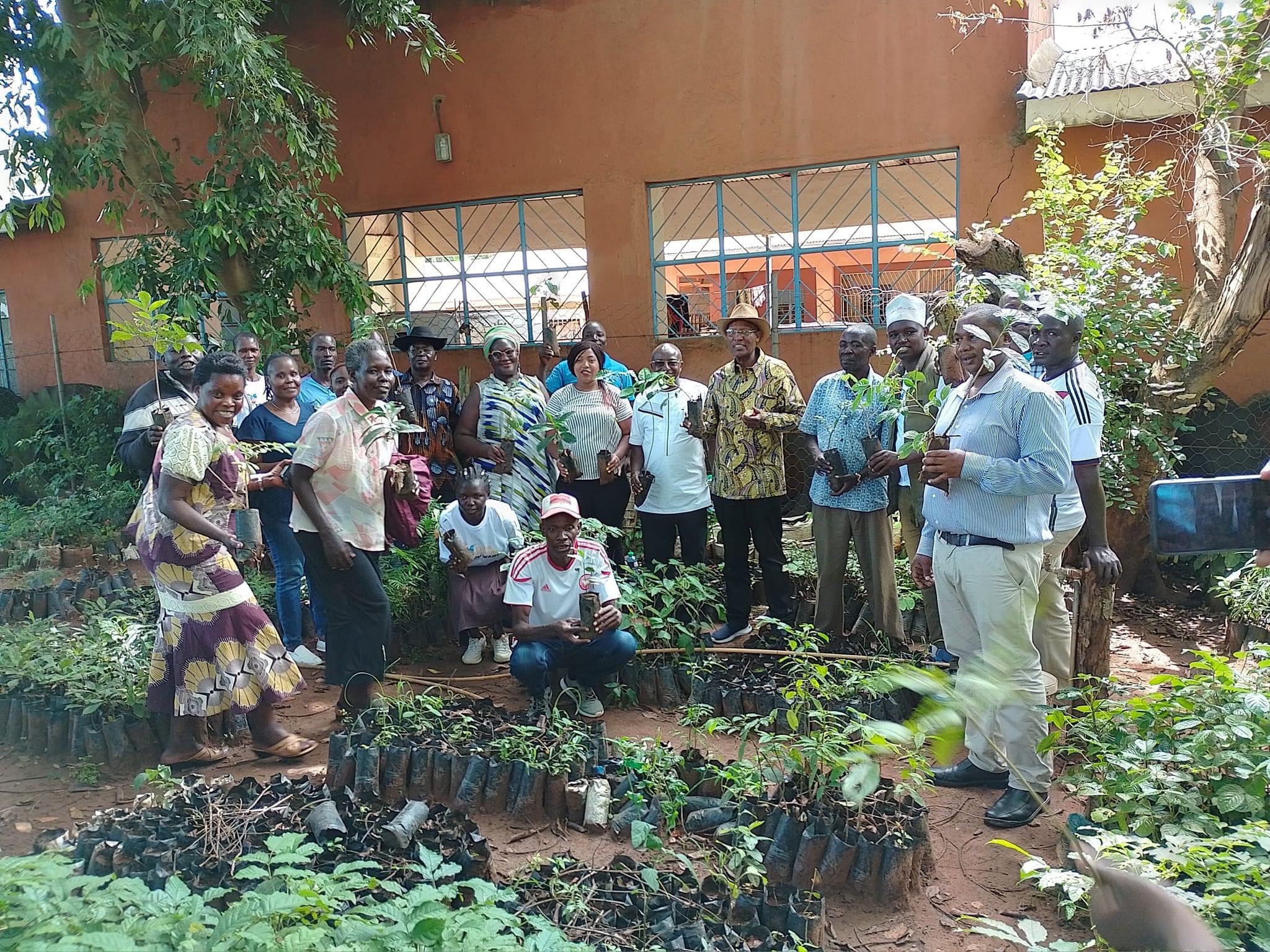
The Centre for Social Planning and Administrative Development (CESPAD) recognizes that restoring degraded catchments is not solely an environmental objective but a strategic investment in water security, climate resilience and sustainable development. Through community-centred approaches to Integrated Water Resources Management (IWRM), CESPAD has mobilized local communities, government institutions and development partners to protect and restore critical water catchments while strengthening local ownership of natural resource management.
Our approach is founded on the understanding that communities are the primary custodians of the landscapes in which they live. Sustainable restoration cannot be achieved through external interventions alone; it requires informed citizens who understand the ecological importance of catchments and are empowered to take collective responsibility for protecting them. By strengthening community awareness, facilitating stakeholder dialogue and promoting collaborative action, CESPAD has helped transform environmental conservation into a shared community responsibility.
What was produced?
Working closely with local institutions and water users, CESPAD has promoted practical measures that contribute to healthier catchments, including the protection of riparian areas, restoration of degraded landscapes, sustainable land management and conservation of forests and wetlands. These interventions recognize the close relationship between healthy ecosystems and reliable water supplies, demonstrating that environmental conservation directly supports improved livelihoods, agricultural productivity and long-term resilience to climate change.
What changed?
Community mobilization has remained central to every stage of the restoration process. Through participatory planning and inclusive engagement, CESPAD has encouraged diverse stakeholders—including farmers, pastoralists, women, youth, local leaders and community organizations—to work together in identifying environmental challenges, developing locally appropriate solutions and implementing restoration activities. This collaborative approach has strengthened social cohesion while reinforcing the principle that effective environmental stewardship depends on collective action rather than individual effort.
An important element of Our work has been strengthening the institutional foundations that support long-term catchment management. Community organizations, Water Resource Users Associations (WRUAs), county governments and national water sector institutions each have complementary responsibilities in protecting shared water resources. By improving coordination among these stakeholders, CESPAD has contributed to governance systems that are better equipped to sustain restoration efforts beyond individual projects and respond effectively to emerging environmental challenges.
What did we learn?
Catchment restoration has also become an important strategy for strengthening climate resilience. Healthy watersheds improve water retention, reduce soil erosion, moderate flood risks and enhance the resilience of communities to prolonged droughts and changing rainfall patterns. By integrating ecosystem restoration with community development, CESPAD has demonstrated that environmental conservation and socio-economic development are mutually reinforcing objectives rather than competing priorities.
The initiative has further strengthened environmental awareness by encouraging communities to appreciate the long-term value of natural ecosystems. Protecting forests, wetlands and riverbanks is increasingly understood not simply as a conservation activity but as an investment in water security, food production, biodiversity conservation and the well-being of future generations. This shift in perspective has fostered greater local ownership of restoration initiatives and strengthened community commitment to sustainable resource management.
The experience demonstrates that successful catchment restoration depends on partnerships built on trust, participation and shared responsibility. Technical expertise and policy frameworks remain important, but lasting environmental change is achieved when communities are actively engaged in protecting the ecosystems upon which their livelihoods depend. By empowering local stakeholders to become environmental stewards, CESPAD has helped create resilient governance systems capable of sustaining restoration efforts over the long term.
Our work in mobilizing communities for catchment restoration reflects our broader commitment to integrated, people-centred and ecosystem-based development. Through collaboration, capacity strengthening and participatory governance, we have demonstrated that healthy catchments are essential for achieving water security, climate resilience and inclusive economic development.
The experience affirms that restoring landscapes begins with empowering people. When communities understand the value of their natural resources and work collectively to protect them, degraded ecosystems can recover, water resources can be safeguarded and livelihoods can become more resilient. CESPAD's community-driven approach to catchment restoration offers a compelling model for achieving sustainable water governance and environmental stewardship, demonstrating that resilient ecosystems and resilient communities are inseparable foundations of Kenya's sustainable development journey.
Water governance is not only about governments and institutions; it is also about how each of us uses and values water."
"Every Kenyan has both a right to water and a responsibility to conserve it."
"Sustainable development must be community-driven and locally owned."
"Successful water governance is about creating systems that are locally owned, accountable, financially sustainable and responsive to community needs."
These statements articulate CESPAD's institutional philosophy and would strengthen the introduction and conclusion of the compendium.