What was the challenge?
Effective water governance requires communities to understand not only how water resources are used, but also the institutional, environmental and social factors that influence their sustainability. At the start of the Promoting Integrated Water Resources Management (IWRM) in Kenya project, many community institutions had limited technical knowledge of catchment management, water governance, advocacy and participatory planning. This constrained their ability to engage effectively with government institutions and to contribute to the sustainable management of local water resources.
What did CESPAD do?
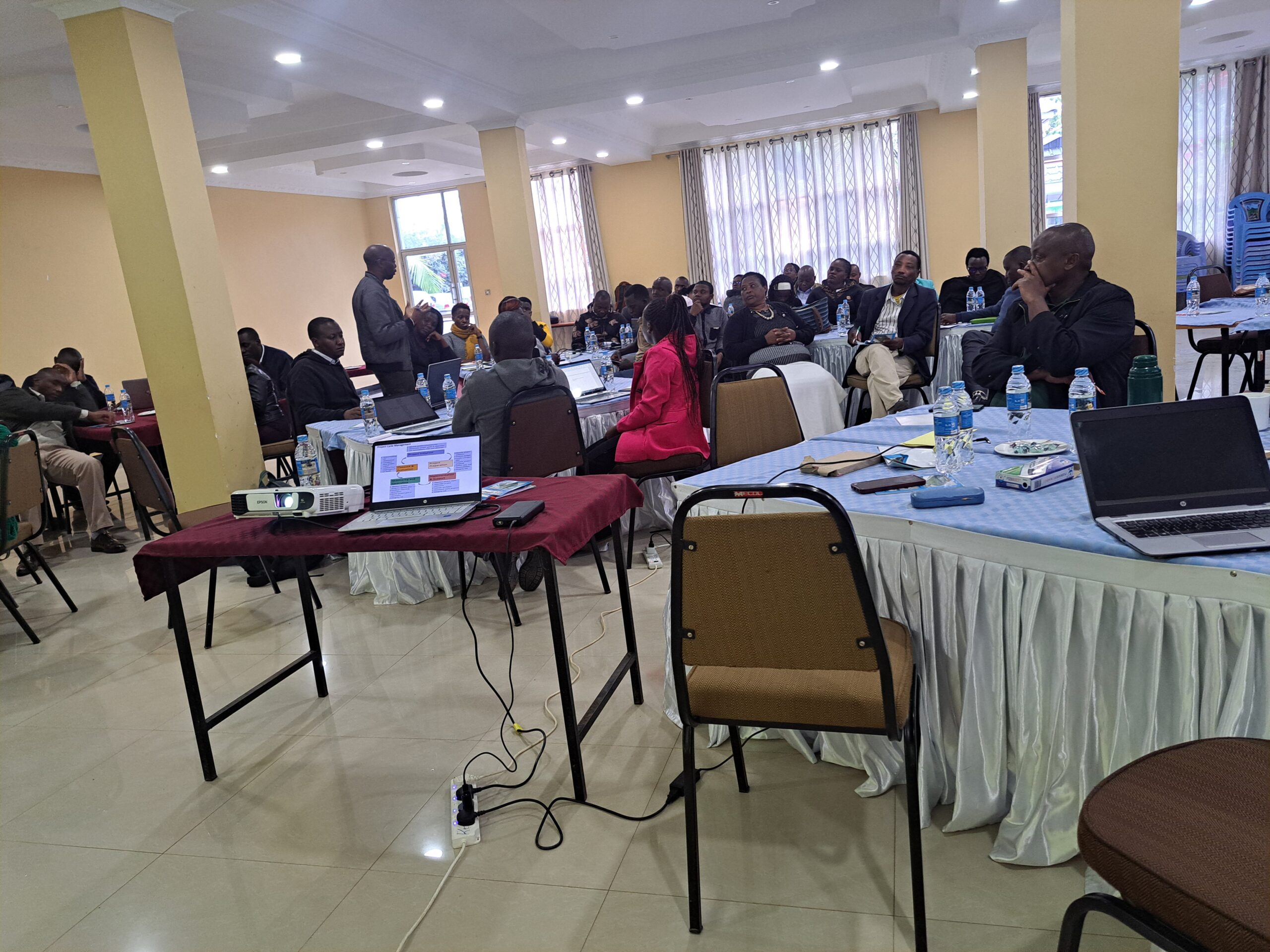
To address this gap, CESPAD implemented a structured capacity development programme targeting Water Resource Users Associations (WRUAs), county government officers, community leaders and other stakeholders involved in water resources management. The programme combined technical training, practical learning and institutional mentoring to strengthen knowledge and improve the ability of local institutions to fulfil their respective roles within the Integrated Water Resources Management framework.
Training covered a range of topics including Integrated Water Resources Management principles, governance, leadership, participatory planning, conflict management, advocacy, resource mobilisation and environmental conservation. The project also developed training materials and manuals that enabled participants to transfer knowledge within their organisations and communities, supporting continued learning beyond the formal training sessions.
What was produced?
The capacity development programme reached a broad network of stakeholders across the project area. Our project evidence shows that we strengthened 104 Water Resource Users Associations and trained more than 55,000 WRUA members, while also supporting county officers and other institutions responsible for water governance.
What changed?
Improved technical capacity contributed to greater community participation in water governance. Trained WRUAs played a more active role in preparing Sub-Catchment Management Plans, engaging in county planning processes, coordinating catchment conservation activities and participating in policy discussions. The enhanced knowledge also supported collaboration between communities and government institutions responsible for water resources management, creating stronger links between local action and public decision-making.
The experience demonstrated that investments in infrastructure and environmental restoration are more sustainable when accompanied by investments in institutional and human capacity. Communities that understand governance processes and technical aspects of water management are better positioned to participate in decision-making, support implementation and sustain conservation efforts after project completion.
What did we learn?
Our experience highlights capacity development as a foundational element of Integrated Water Resources Management. By strengthening the knowledge and skills of community institutions and government stakeholders, the project contributed to governance systems that were better equipped to plan, manage and protect water resources through collaborative and locally informed approaches.