 CESPAD Monthly Brief |
Conservation as a Business
Who pays to protect the landscapes that sustain our water sources? And how can the people caring for those landscapes share in the benefits? This edition explores how environmental stewardship, watershed and catchment protection can support livelihoods, attract sustained investment and safeguard the natural resources that communities and economies depend on.
Lake Victoria catchments: the business case for PES
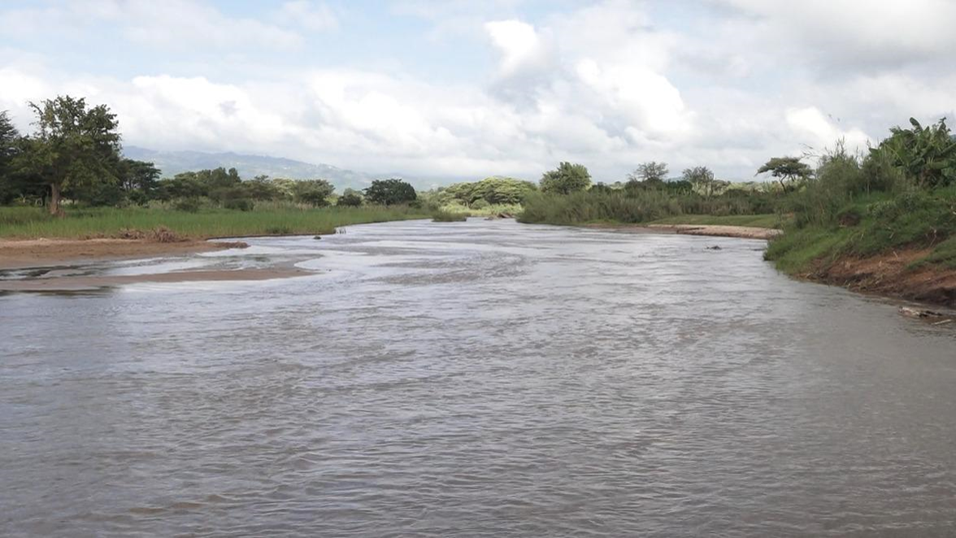
CESPAD, through the Western Kenya Water Project (WKWP), led the Water Resources Management component of a joint reconnaissance assessment with the Kenya Forestry Research Institute (KEFRI) to explore opportunities for Payments for Ecosystem Services (PES) across six river basins in the Lake Victoria region.
The assessment found that catchment degradation and pollution are contributing to sedimentation, higher water-treatment costs and unreliable water supplies. These challenges point to an opportunity for downstream water users to support conservation efforts upstream through appropriate financing mechanisms.
Kajulu-Kibos emerged as one of the priority areas for further PES development, alongside Gucha-Migori, Nzoia and Sondu-Miriu. Existing community and restoration initiatives—including tree planting, nursery development, beekeeping and catchment planning—provide a foundation for developing a PES approach.
The findings point to an opportunity to move beyond short-term, project-based restoration towards more sustainable financing for catchment conservation, supported by clear conservation commitments, financing arrangements, monitoring and equitable benefit-sharing among participating stakeholders.
The assessment was conducted in August 2024 and identifies opportunities for PES development; it should not be interpreted as evidence of an operational PES scheme
Programme update How conservation financing worksPayments for ecosystem services (PES) are voluntary arrangements that reward land managers or communities for maintaining or improving specified environmental services under agreed conditions. Funding may come from beneficiaries, public institutions acting on their behalf, or both. Water funds pool resources for catchment protection and may support restoration and technical assistance without direct PES payments. Reliable funding, community participation and credible evidence remain essential. CESPAD’s catchment-planning story reports that priorities identified in Kasikeu contributed to county investment in a sand dam along the Kaluku River. Participatory planning can connect local needs with public investment. | Field note 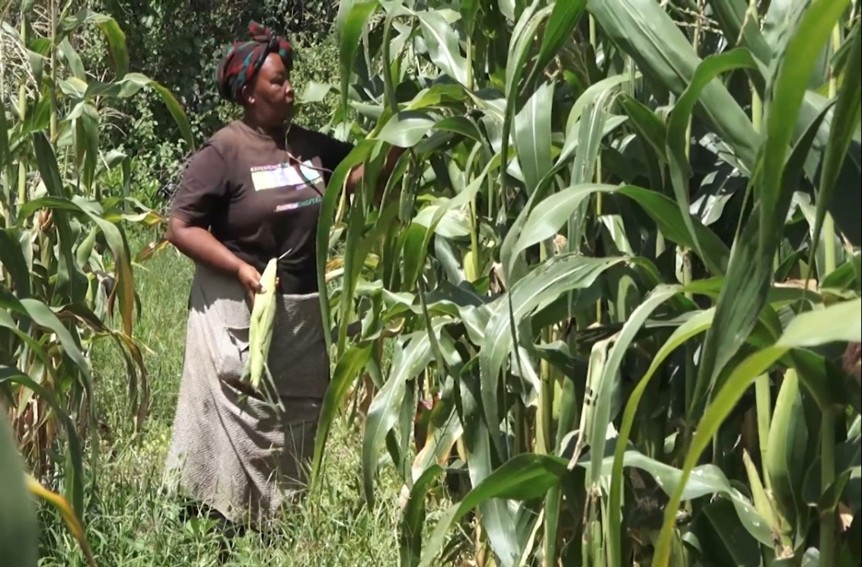 |
Evidence and learning Selected international perspectivesThese examples draw on programme authorities and implementing organisations, rather than an independent comparative evaluation. Kenya: The Upper Tana-Nairobi Water Fund business case examined potential benefits for agriculture, water supply and hydropower. Modelled benefits are projections, not guaranteed returns. Ecuador: Quito’s FONAG water fund, established in 2000, supports protection and restoration of source landscapes. It highlights sustained coordination and investment. Costa Rica: FONAFIFO financially recognises forest environmental services. A legally designated share of fuel-tax revenue helps finance the programme. Brazil: The Water Producer programme encourages soil and water conservation through local partnerships, preferably linked to environmental-service payments. South Africa: The Greater Cape Town Water Fund supports removal of invasive trees that use more water than the native vegetation they replace. Restoration must fit local ecology.
| Evidence in practice 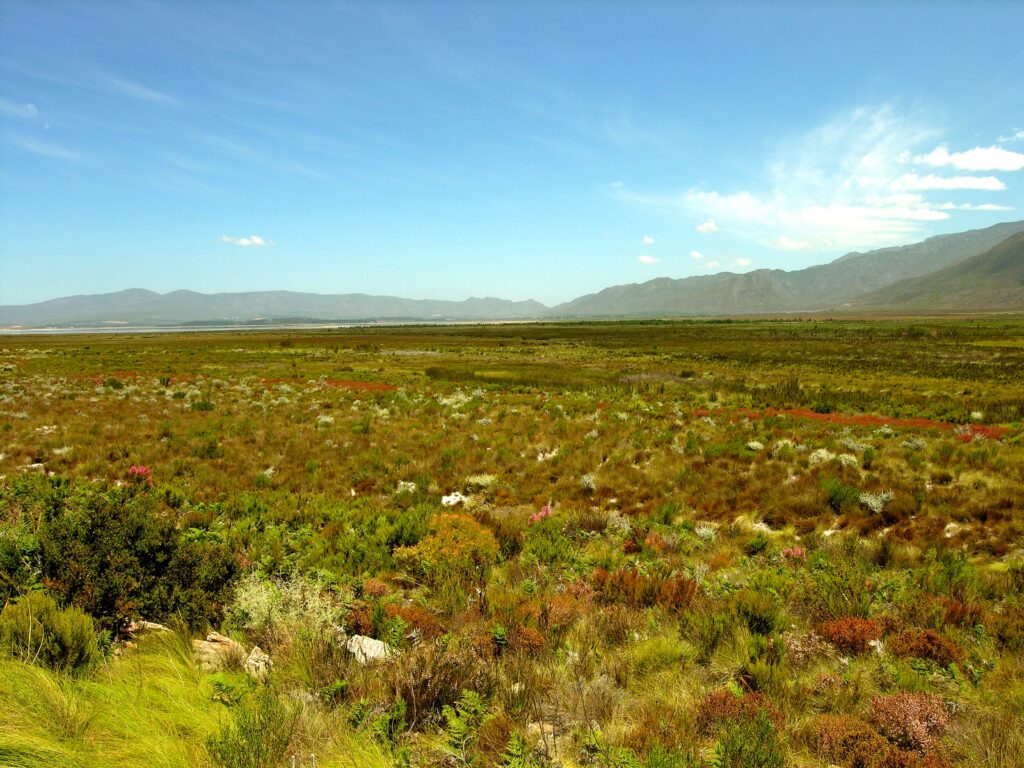 |
Read the illustrated website edition →
CESPAD invites communities, county governments, water users, businesses and development partners to explore fair partnerships for catchment stewardship. This draft draws on published sources and requires internal review before mailing-list delivery.
Visit CESPAD ·